Noord Nederlands Orkest
Beethoven 5
Een programma vol variatie: van alarmerend begin tot uitbundige finale
A program full of variety: from an alarming beginning to an exuberant finale
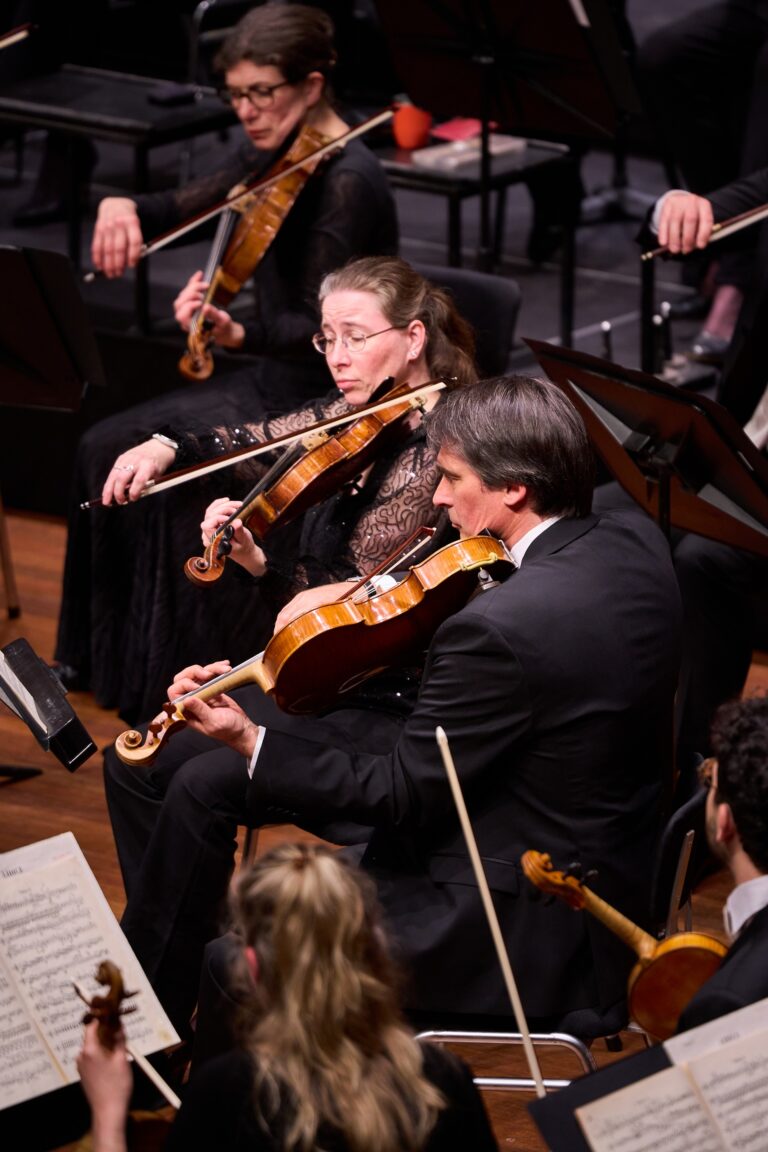
Dit is een programma vol variatie. De stukken van Liszt en Kodály zitten vol Hongaarse volksmuziek, met een pakkende afwisseling van zwaarmoedige melodieën en opzwepende dansritmes. Daarbij zijn ze ook nog eens prachtig georkestreerd, met fluwelige klarinetpartijen en gonzende strijkers. Een fraai contrast vormt Quiet City van Aaron Copland, één van de aartsvaders van de Amerikaanse muziek. Trompet en althobo spelen hier een solo-rol: samen maken ze de nachtelijke eenzaamheid in een grote Amerikaanse stad hoorbaar.
Hoogtepunt is Beethovens Vijfde Symfonie. De beginnoten – tatata taaa! – groeiden uit tot een muzikaal symbool en drongen zelfs door tot de popmuziek. Verwacht geen ´brave´ symfonie: alles draait om dramatische tegenstellingen, van het alarmerende begin tot de uitbundige finale. Met dit werk bewees Beethoven zich als een ware revolutionair. Nooit eerder had een componist de strijd om het menselijke bestaan zó treffend hoorbaar gemaakt. Niet toevallig kreeg het stuk dan ook de bijnaam ‘noodlotssymfonie’. Met een happy end, dat wel.
Programma
F. Liszt
Hongaarse Rapsodie nr.2 in d kl.t.
A. Copland
Quiet City
Z. Kodály
Dansen uit Galánta
L. v. Beethoven
Symfonie nr.5, op.67
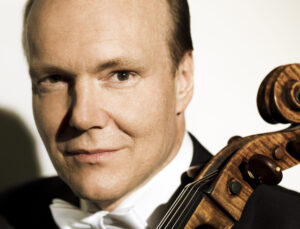
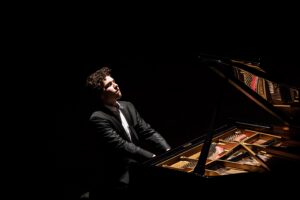
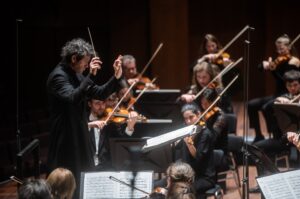
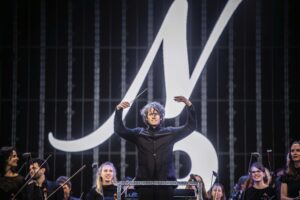
dirigent: Sasha Scolnik-Brower | althobo: Nadine Bults | trompet: Manuel Davila Ares
This is a program full of variety. The pieces by Liszt and Kodály are brimming with Hungarian folk music, featuring a captivating alternation of melancholic melodies and rousing dance rhythms. Moreover, they are beautifully orchestrated, with velvety clarinet parts and buzzing strings. A fine contrast is provided by Quiet City by Aaron Copland, one of the founding fathers of American music. Trumpet and English horn play a solo role here: together, they make the nocturnal loneliness of a large American city audible.
The highlight is Beethoven’s Fifth Symphony. The opening notes—tatata taaa!—grew into a musical symbol and even made their way into pop music. Do not expect a ’tame’ symphony: everything revolves around dramatic contrasts, from the alarming beginning to the exuberant finale. With this work, Beethoven proved himself a true revolutionary. Never before had a composer made the struggle for human existence so strikingly audible. It is no coincidence that the piece was given the nickname ‘Symphony of Fate’. With a happy ending, though.
Program
F. Liszt
Hungarian Rhapsody No.2 in D minor.
A. Copland
Quiet City
Z. Kodály
Dancing from Galánta
L. v. Beethoven
Symphony no.5, op.67