Toonkunstkoor Bekker en NNO
Verdi's Requiem
Dramatische dodenmis met opera-achtige kracht
Dramatic requiem with operatic intensity
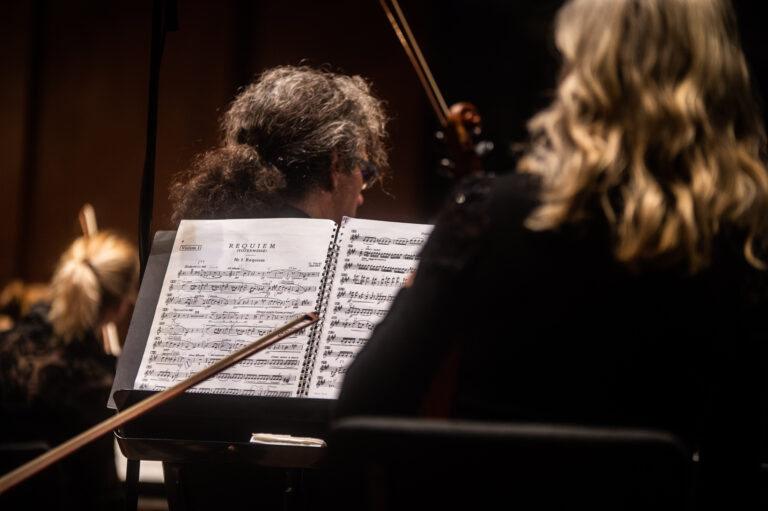
Het Requiem van Giuseppe Verdi is een religieus werk, maar hij schreef het niet voor de kerk. Het is typische concertzaal-muziek waarin orkest en koor elkaar perfect aanvullen. Ook al is het een dodenmis, je hoort aan alles dat Verdi bovenal een theatercomponist was. De muziek zit vol dramatische effecten en sommige zangsolo´s klinken als aria´s uit een opera. De koorpartijen hebben een expressie die je niet in traditionele kerkmuziek vindt. Ze zitten vol contrasten, de melodielijnen zijn grillig en hebben een grote omvang. En het orkest profileert zich het hele stuk door als dialoogpartner. Steeds weer treden afzonderlijke instrumenten met solo´s op de voorgrond. Daardoor ontstaat een wonderlijke ‘dieptewerking’: door de contrasten tussen fluisterzacht en verpletterend luid lijkt de concertzaal veel groter dan die is. Overigens is het niet vreemd dat het stuk zo doorvoeld klinkt. Hier rouwt Verdi om de dood van de schrijver Alessandro Manzoni, één van zijn helden. Indirect is het ook een hommage aan zijn grote voorloper Rossini, die enkele jaren eerder stierf.
Programma
G. Verdi
Requiem
dirigent Geert Jan van Beijeren | koor: Toonkunstkoor Bekker
Giuseppe Verdi’s Requiem is a religious work, but he did not write it for the church. It is typical concert hall music in which orchestra and choir perfectly complement each other. Even though it is a mass for the dead, you can hear in everything that Verdi was above all a composer for the theatre. The music is full of dramatic effects and some vocal solos sound like arias from an opera. The choral parts have an expressiveness not found in traditional church music. They are full of contrasts, the melodic lines are capricious and wide-ranging. And the orchestra presents itself throughout as a partner in dialogue. Time and again, individual instruments come to the fore with solos. This creates a remarkable “depth effect”: through the contrasts between whisper-soft and overwhelmingly loud, the concert hall seems much larger than it is. It is not surprising that the piece sounds so deeply felt. Verdi is mourning the death of the writer Alessandro Manzoni, one of his heroes. Indirectly, it is also a homage to his great predecessor Rossini, who had died a few years earlier.