Orkest van de Achttiende Eeuw
Beethoven 200
Twee publieksfavorieten van een groot muziekrevolutionair
Two crowd favorites by a great music revolutionary
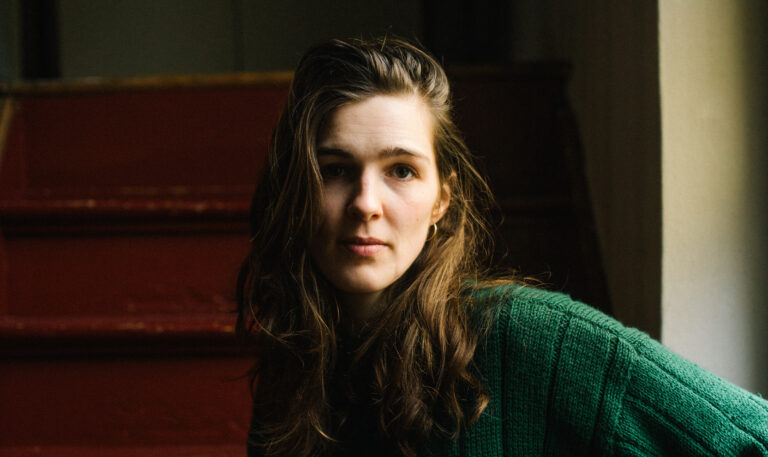
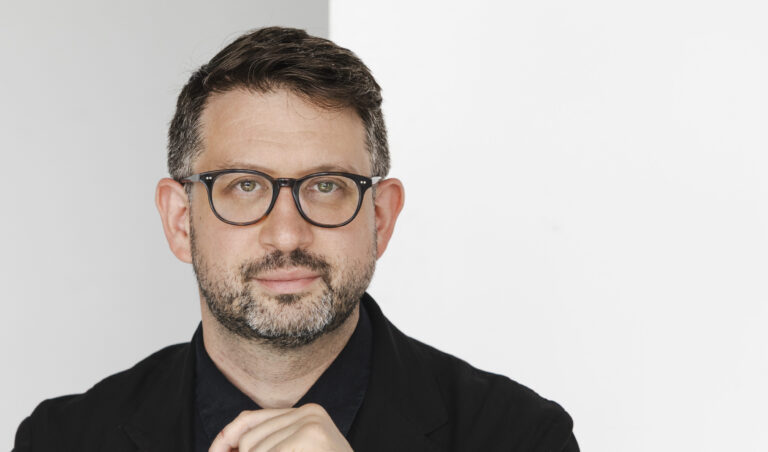
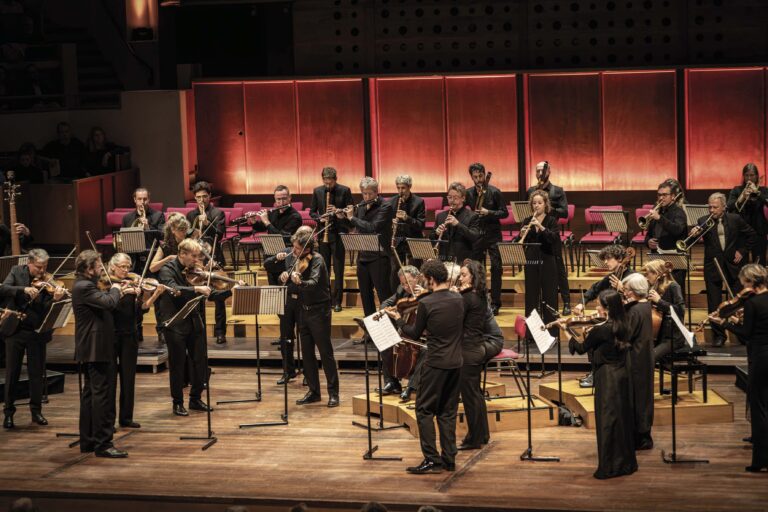
In 2027 is het tweehonderd jaar geleden dat Beethoven overleed. Het Orkest van de Achttiende Eeuw zet hem daarom uitgebreid in de spotlights. Al 45 jaar zit het vermaarde ensemble de Weense muziekrevolutionair zo dicht mogelijk op de huid en laat het Beethovens muziek horen zoals hij die zelf voor ogen had. Onder leiding van Jakob Lehmann, een jonge dirigent die in hoog tempo internationaal furore maakt, speelt het orkest Beethovens dansante Symfonie nr. 7. Olga Pashchenko, een van de veelzijdigste pianisten van dit moment, schuift voor de pauze aan voor de uitvoering van zijn Pianoconcert nr. 3. Samen met het Orkest van de Achttiende Eeuw neemt ze alle pianoconcerten van Beethoven op voor het label Alpha Classics.
In 1812 werkte Beethoven aan twee symfonieën tegelijk: zijn Zevende en Achtste. Zelf had hij meer waardering voor de laatste, maar het publiek dacht daar duidelijk anders over. Het tweede deel, het beroemde Allegretto, maakte zo’n indruk dat het bij de première in Wenen direct moest worden herhaald. En nog steeds is zijn Symfonie nr. 7 een publiekslieveling.
Beethovens Pianoconcert nr. 3 ontstond rond 1800 en heeft een krachtiger en dramatischer karakter dan zijn eerdere concerten. Dat hoor je al meteen in de opening, waar het orkest een donkere, gespannen sfeer neerzet. Het langzame middendeel is juist verstild en bijna dromerig, terwijl het slotdeel weer energie en speelsheid brengt.
Emilie Mayer (1812-1883)
Ouverture nr. 3 in C
Ludwig van Beethoven (1770-1827)
Pianoconcert nr. 3 in c op. 37
— pauze —
Ludwig van Beethoven (1770-1827)
Ouverture uit Die Geschöpfe des Prometheus op. 43
Symfonie nr. 7 in A op. 92
dirigent: Jakob Lehmann | fortepiano: Olga Pashchenko


In 2027, it will be two hundred years since Beethoven passed away. The Orchestra of the Eighteenth Century is therefore putting him extensively in the spotlight. For 45 years, the renowned ensemble has stayed as close as possible to the Viennese music revolutionary, presenting Beethoven’s music exactly as he envisioned it. Under the direction of Jakob Lehmann, a young conductor rapidly making an international name for himself, the orchestra will perform Beethoven’s dance-like Symphony No. 7. Olga Pashchenko, one of the most versatile pianists of the moment, will join the orchestra before the intermission for a performance of his Piano Concerto No. 3. Together with the Orchestra of the Eighteenth Century, she is recording all of Beethoven’s piano concertos for the Alpha Classics label.
In 1812, Beethoven was working on two symphonies simultaneously: his Seventh and Eighth. He himself had a greater appreciation for the latter, but the public clearly felt differently. The second movement, the famous Allegretto, made such an impression that it had to be repeated immediately at the premiere in Vienna. And his Symphony No. 7 remains a crowd favorite to this day.
Beethoven’s Piano Concerto No. 3 was composed around 1800 and has a more powerful and dramatic character than his earlier concertos. You can hear this immediately in the opening, where the orchestra establishes a dark, tense atmosphere. The slow middle movement, on the other hand, is hushed and almost dreamy, while the final movement brings energy and playfulness once again.
Program
Emilie Mayer (1812-1883)
Overture No. 3 in C
Ludwig van Beethoven (1770-1827)
Piano Concerto No. 3 in C, Op. 37
— pause —
Ludwig van Beethoven (1770-1827)
Overture from Die Geschöpfe des Prometheus, Op. 43
Symphony No. 7 in A, Op. 92