Nederlandse Bachvereniging
Matthäus Passion
Een van de indrukwekkendste verhalen ooit, verteld met ontroerende muziek en zang
One of the most impressive stories ever, told with moving music and song
Sinds 1922 voert de Nederlandse Bachvereniging elk jaar de Matthäus Passion uit. Dit jaar zet vermaard barokdirigent en goede bekende van de Bachvereniging Lars Ulrik Mortensen de traditie voort.
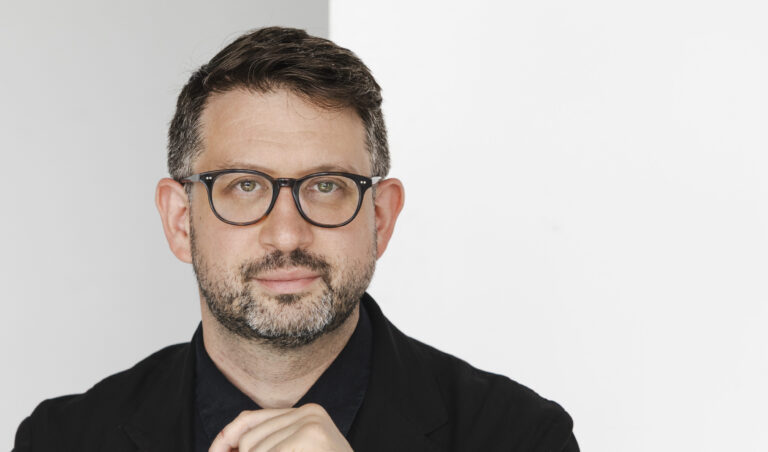
Verraad, veroordeling, dood en onvoorwaardelijke liefde. Het zit allemaal in Bachs Matthäus Passion. Het stuk combineert het afschuwelijkste en het allermooiste en blijft je verbazen en raken, of je nu religieus bent of niet. Lars Ulrik Mortensen: “In de Matthäus Passion gebruikte Bach religieuze teksten. Ik heb me vaak afgevraagd of ik Bachs religieuze werken mag dirigeren als niet-gelovige, maar ik denk dat de diepere betekenis van woorden, of ze nu uit de Bijbel of uit een gedicht komen, universeel is. Net zoals de gevoelens die teksten losmaken universeel zijn. Bach schrijft ambachtelijk, met twee benen op de grond, hij begrijpt als geen ander al het menselijke, al onze emoties. Tegelijkertijd heeft hij muziek gecreëerd die absoluut goddelijk is. Maar waar je je altijd toe kan verhouden door de herkenning van het menselijke aspect.”
klavecimbel en leiding: Lars Ulrik Mortensen | evangelist: Raphael Höhn | sopraan: Dorothee Mields | sopraan: Kristen Witmer | alt: Terry Wey | alt: Alexander Chance | tenor: Georg Poplutz | tenor: Zachary Wilder | bas: Felix Schwandtke | bas: Sebastian Myrus| koor: Kampen Boys Choir
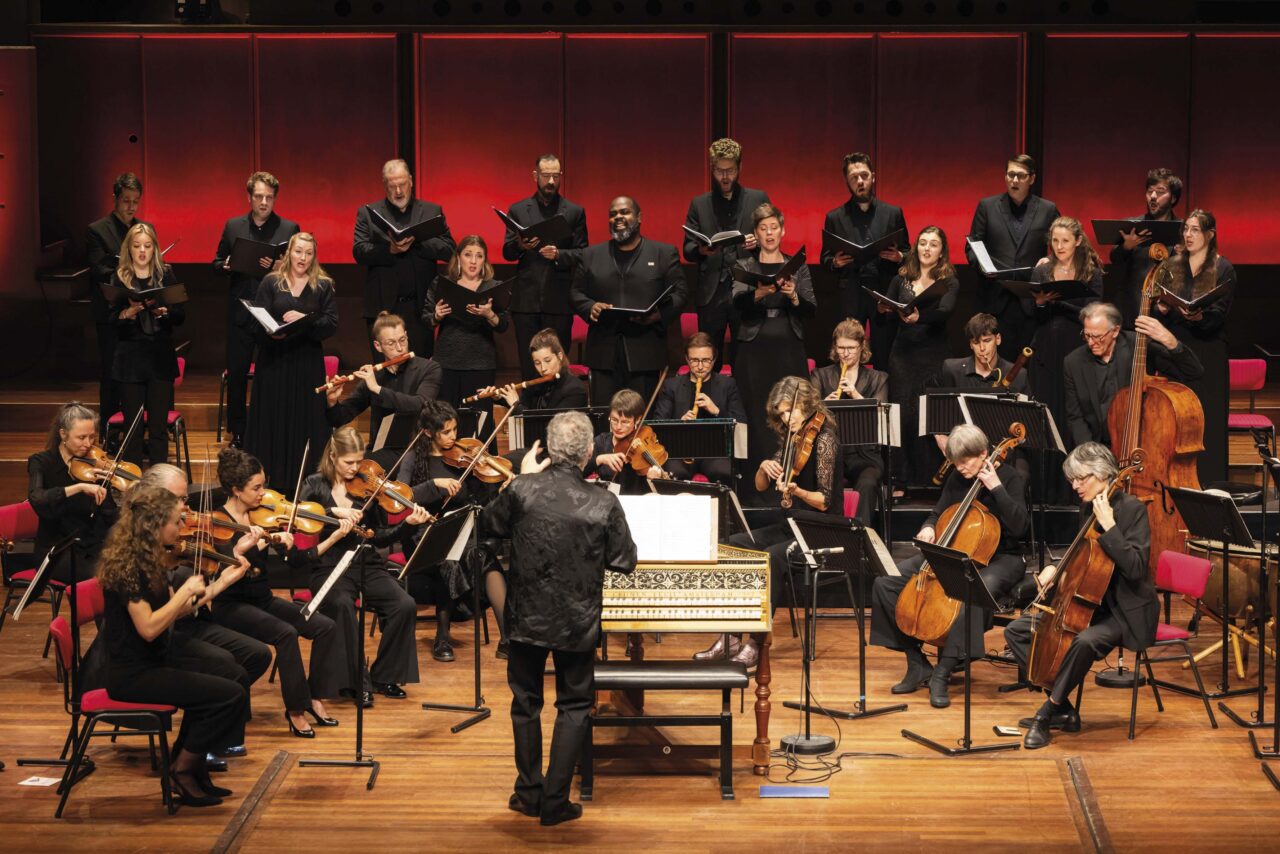
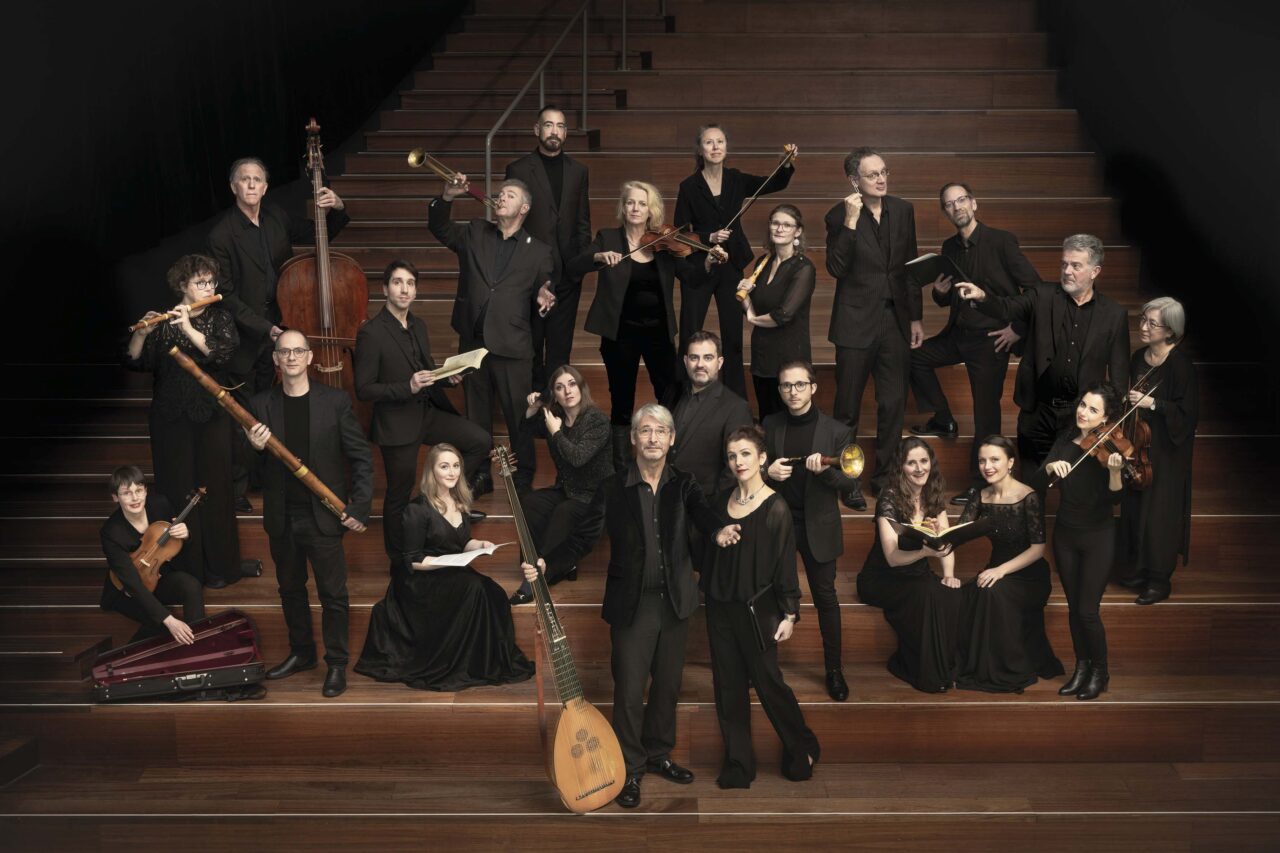
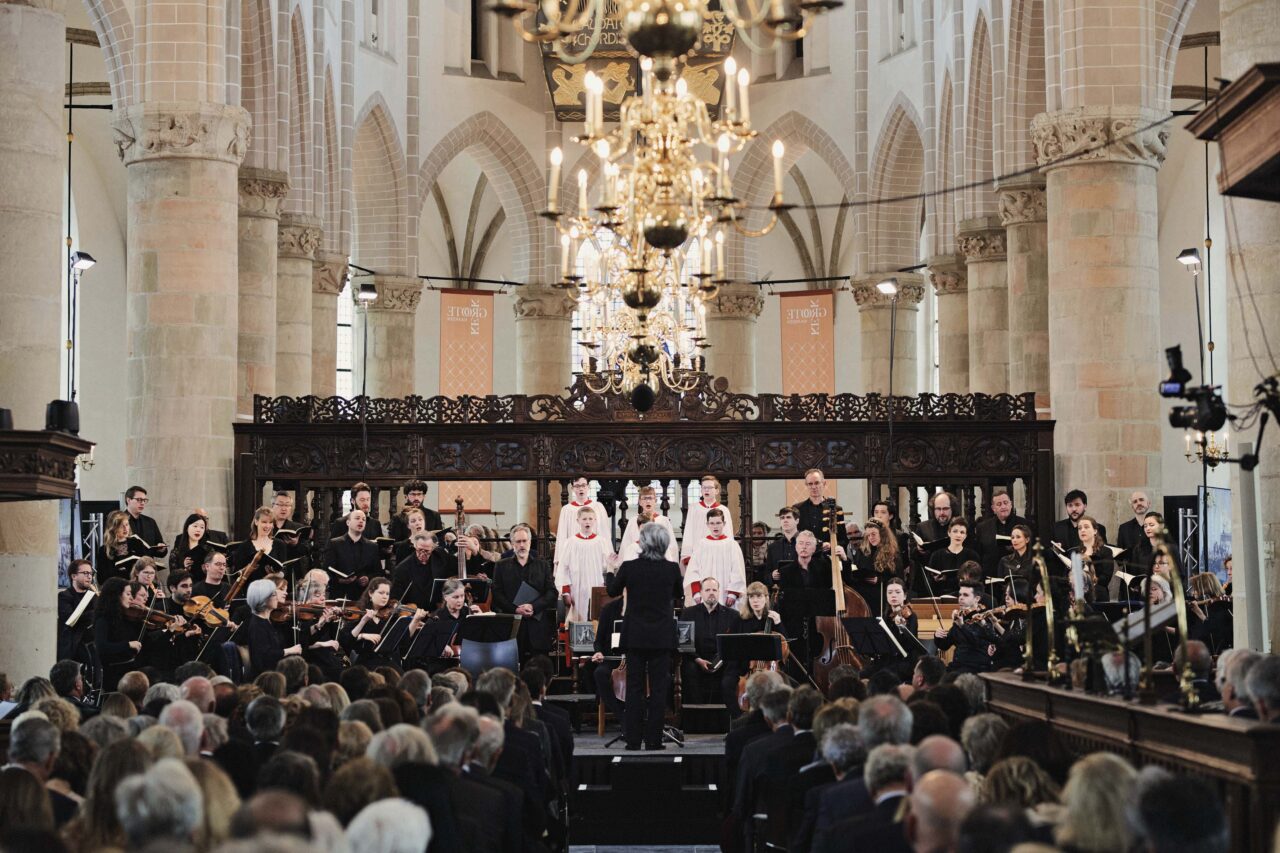
Since 1922, the Netherlands Bach Society has performed the St Matthew Passion every year. This year, renowned Baroque conductor and close friend of the Bach Society, Lars Ulrik Mortensen, continues the tradition.
Betrayal, condemnation, death, and unconditional love. It is all in Bach’s St Matthew Passion. The piece combines the most horrific and the most beautiful, and continues to amaze and move you, whether you are religious or not. Lars Ulrik Mortensen: “In the St Matthew Passion, Bach used religious texts. I have often wondered if I am allowed to conduct Bach’s religious works as a non-believer, but I think that the deeper meaning of words, whether they come from the Bible or from a poem, is universal. Just as the feelings that texts evoke are universal. Bach writes with craftsmanship, with both feet on the ground; he understands all things human, all our emotions, like no other. At the same time, he has created music that is absolutely divine. But to which you can always relate through the recognition of the human aspect.”