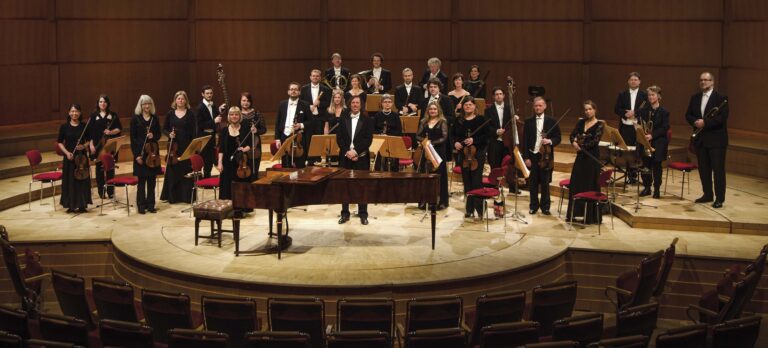
Kölner Akademie
Stabat Mater
Pergolesi’s Stabat Mater en Salve Regina: zacht, helder en recht naar het hart
Pergolesi’s Stabat Mater and Salve Regina: soft, clear, and straight to the heart
Het Stabat Mater van Giovanni Battista Pergolesi is een van de mooiste en indringendste werken uit de klassieke muziek. Hij schreef het in 1736, kort voor hij op 26-jarige leeftijd aan tuberculose overleed. Pergolesi baseerde zich op een middeleeuws gedicht over het intense verdriet van Maria om haar gekruisigde zoon Jezus. Haar tranen, de pijn en de hoop die in het gedicht worden uitgedrukt wist hij op weergaloze wijze in muziek te vangen. Vanaf de eerste noten nemen sopraan, alt en de musici van de Kölner Akademie je mee in een diepontroerend werk.
Salve Regina is ook al zo’n bloedmooi staaltje barokmuziek, waarin Pergolesi heel veel gevoel weet over te brengen. De sfeer in dit gebed tot Maria is rustig, hoopvol en vertrouwend. De sopraan zingt een vloeiende melodie, de strijkers begeleiden op een zachte, warme wijze, waardoor de tekst duidelijk naar voren komt.
Programma
Domenico Gallo (1723-ca. 1768)
Sonata V voor strijkers en b.c.
Giovanni Battista Pergolesi (1710-1736)
Salve Regina voor sopraan, strijkers en b.c.
Ritorno (cantate voor alt, strijkers en b.c.)
— pauze —
Graaf Unico van Wassenaer (1692-1766)
Concerto Armonico II in Bes voor strijkers en b.c.
Giovanni Battista Pergolesi (1710-1736)
Stabat Mater voor sopraan, alt, strijkers en b.c.
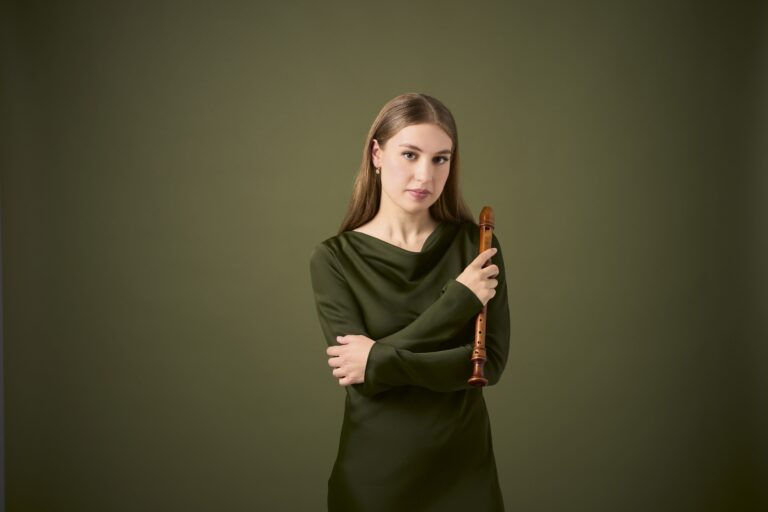
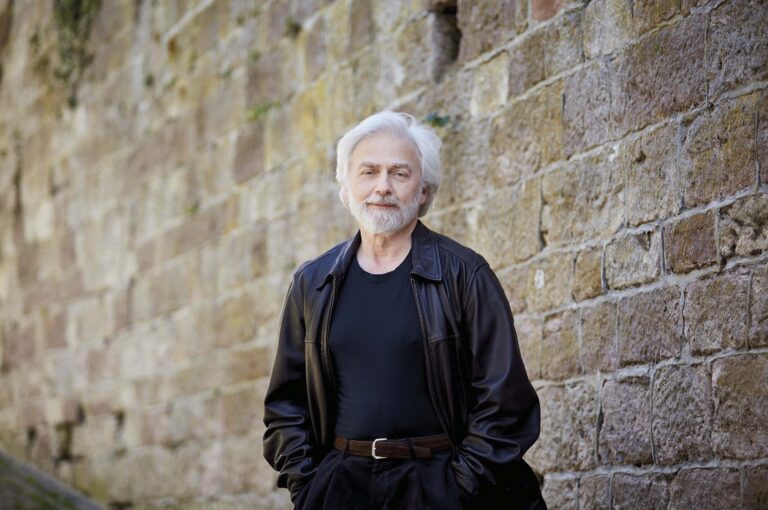
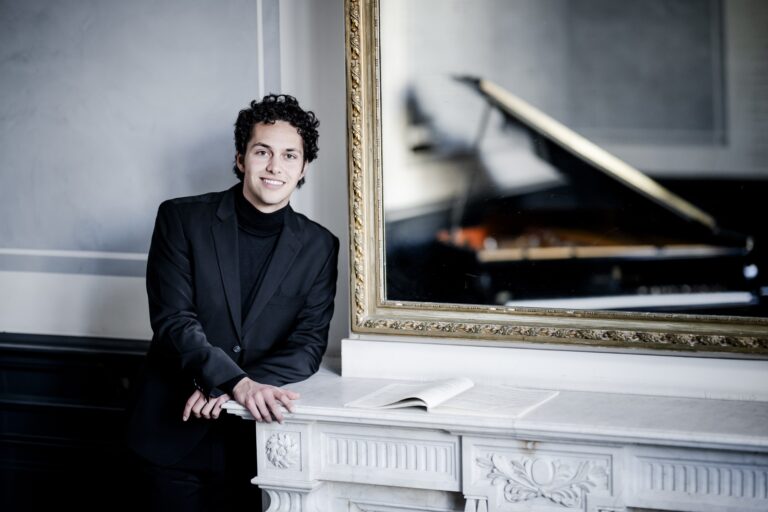
dirigent: Michael Alexander Willens | sopraan: Elena Harsanyi | alt: Elvira Bill



Giovanni Battista Pergolesi’s Stabat Mater is one of the most beautiful and poignant works in classical music. He wrote it in 1736, shortly before he died of tuberculosis at the age of 26. Pergolesi based it on a medieval poem about Mary’s intense grief over her crucified son Jesus. He managed to capture her tears, the pain, and the hope expressed in the poem in music in an unparalleled way. From the very first notes, the soprano, alto, and the musicians of the Kölner Akademie take you into a deeply moving work.
Salve Regina is another stunning example of Baroque music, in which Pergolesi manages to convey a great deal of emotion. The atmosphere in this prayer to Mary is calm, hopeful, and trusting. The soprano sings a flowing melody, while the strings provide soft, warm accompaniment, allowing the text to come through clearly.
Program
Domenico Gallo (1723-ca. 1768)
Sonata V for strings and b.c.
Giovanni Battista Pergolesi (1710-1736)
Salve Regina for soprano, strings and b.c.
Ritorno (cantata for alto, strings and b.c.)
— pause—
Count Unico van Wassenaer (1692-1766)
Concerto Armonico II in B-flat for strings and b.c.
Giovanni Battista Pergolesi (1710-1736)
Stabat Mater for soprano, alto, strings and b.c.