Kirill Gerstein
Van Mendelssohn tot Liszt: fris, direct en verrassend toegankelijk
From Mendelssohn to Liszt: fresh, direct, and surprisingly accessible
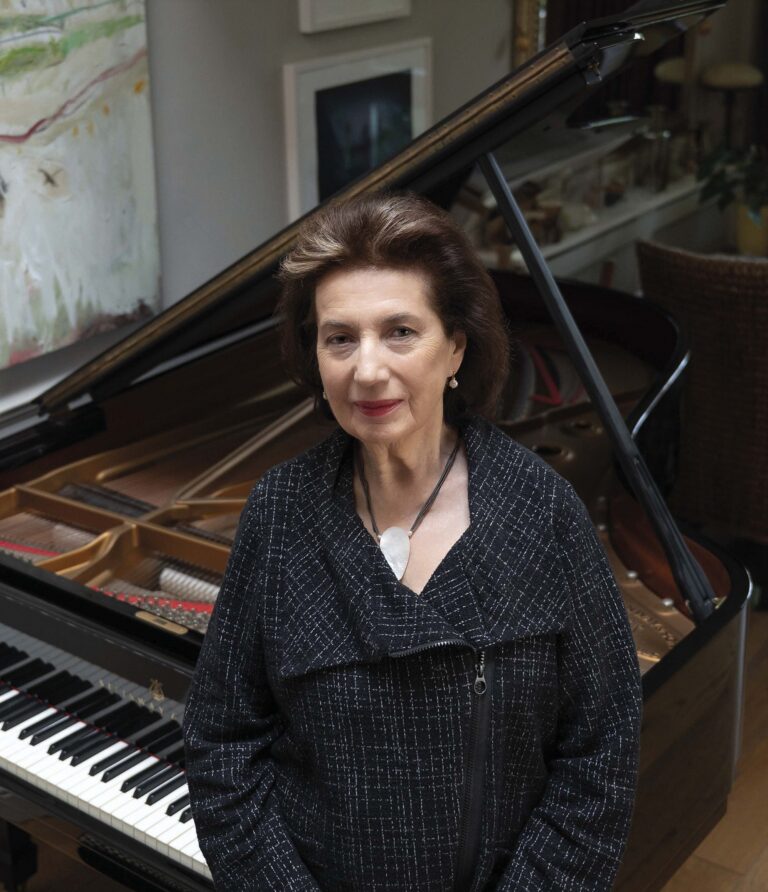
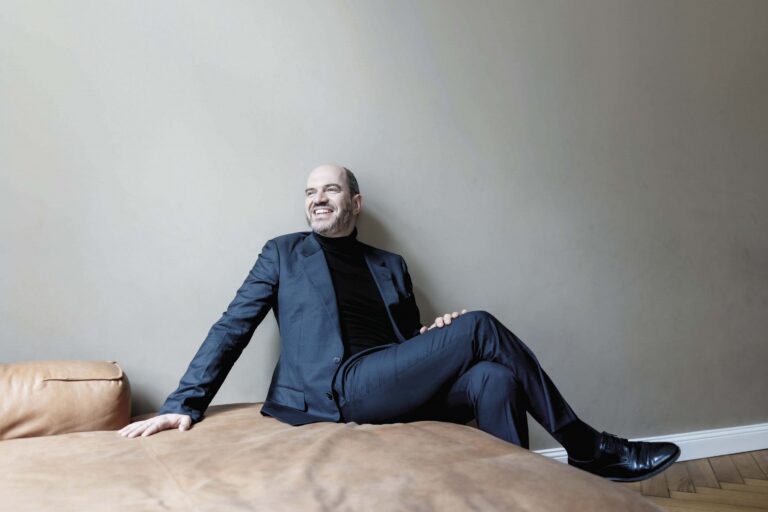
De Russisch-Amerikaanse pianist Kirill Gerstein groeide op met klassieke muziek en jazzplaten. Die brede achtergrond hoor je terug in zijn spel. Hij wordt internationaal geroemd om zijn grote technische vaardigheden, maar ook om zijn ijzersterke ritmegevoel, de soepelheid waarmee hij complexe muziek helder en begrijpelijk maakt en zo luisteraar en componist met elkaar verbindt. Alsof je stap voor stap ontdekt wat een stuk wil zeggen, of het nu om Schumann, Liszt of een eigentijds werk gaat. Bij Gerstein klinken zowel grote romantische werken als moderne composities altijd fris en direct.
Tijdens dit concert vormt de romantiek de rode draad. In Mendelssohns Variations sérieuses laat Gerstein horen hoe trefzeker hij vorm kan geven aan een reeks sterk uiteenlopende karakters, zonder dat de grote lijn verloren gaat. In Schumanns monumentale Fantasie in C bouwt hij grote spanningsbogen op en geeft hij ruimte aan poëtische intimiteit. In Isoldes Liebestod brengt hij Wagners orkestrale klankwereld terug tot één instrument, zonder aan intensiteit in te boeten. De avond eindigt met Liszts Sonate in b, repertoire waarin Gerstein hoorbaar thuis is: zijn benadering is krachtig, maar altijd met oog voor detail en een onverwoestbaar gevoel voor het grote geheel.
De laatste jaren maakte Gerstein furore met uitvoeringen van het speciaal voor hem geschreven Pianoconcert van de Britse componist Thomas Adès: “Een geweldige pianist, die een klankvolle toon en een krachtvolle techniek met visionaire muzikaliteit verbindt.” (De Nieuwe Muze, 2025)
PROGRAMMA
Felix Mendelssohn (1809-1847)
Variations sérieuses in d op. 54
Robert Schumann (1810-1856)
Fantasie in C op. 17
— pauze —
Richard Wagner (1813-1883) / Franz Liszt (1811-1886)
Isoldes Liebestod (Liszts bewerking van de slotscène uit Tristan und Isolde)
Franz Liszt (1811-1886)
Sonate in b
Wereldklasse
Dit concert is onderdeel van Wereldklasse. Geniet van klassieke muziek van internationaal topniveau bij SPOT Groningen.
> Bekijk alle concerten
The Russian-American pianist Kirill Gerstein grew up with both classical music and jazz records. That broad background is clearly reflected in his playing. He is internationally acclaimed not only for his formidable technique, but also for his strong sense of rhythm and the ease with which he renders complex music clear and comprehensible, creating a direct connection between listener and composer. It feels as though you are discovering, step by step, what a piece is trying to express, whether it is Schumann, Liszt, or a contemporary work. With Gerstein, both large-scale Romantic repertoire and modern compositions sound consistently fresh and direct.
In this concert, Romanticism forms the central thread. In Mendelssohn’s Variations sérieuses, Gerstein demonstrates how precisely he can shape a sequence of highly contrasting characters without losing the overarching line. In Schumann’s monumental Fantasie in C, he builds expansive arcs of tension while allowing space for poetic intimacy. In Isolde’s Liebestod, he distills Wagner’s orchestral sound world into a single instrument without sacrificing intensity. The evening concludes with Liszt’s Sonata in B minor, repertoire in which Gerstein is clearly at home: his approach is powerful, yet always attentive to detail and guided by an unshakeable sense of the larger structure.
In recent years, Gerstein has made a strong impression with performances of the Piano Concerto written especially for him by British composer Thomas Adès: “A remarkable pianist, combining a rich tone and powerful technique with a visionary musicality.” (De Nieuwe Muze, 2025)